

Three sites. Modest heights.
The State requires we allow more homes.
I persuaded the Planning Commission to narrow new zoning to just 3 sites
I believe that we can protect what makes Elmwood and Berkeley great while also living up to Berkeley values of being an inclusive community that welcomes immigrants and creates the homes our kids will need to build their own families and lives in Berkeley.

The initial proposal from the Corridors Zoning Update (CZU) team would have rezoned the entire Elmwood commercial corridor. At a City Council work-session in November 2025, I proposed instead focusing rezoning on just three sites that currently feature large parking areas.
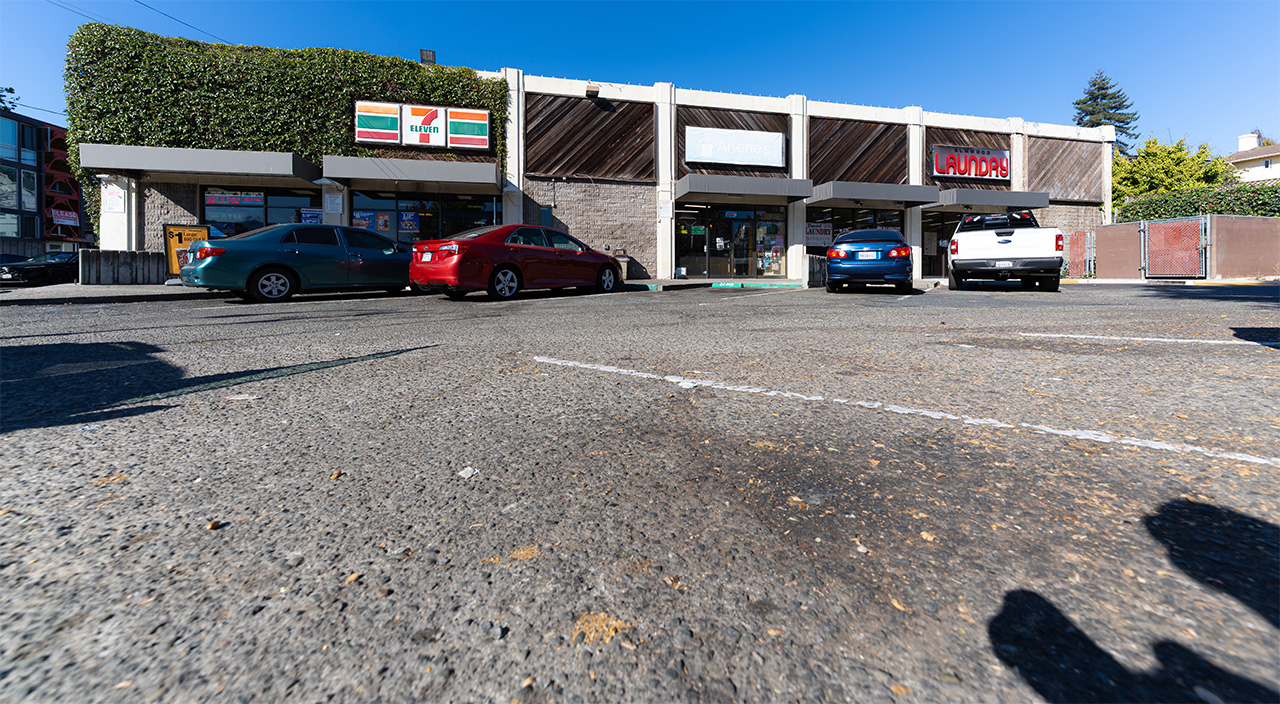
The 7-Eleven strip mall

The Post Office (if USPS leaves)
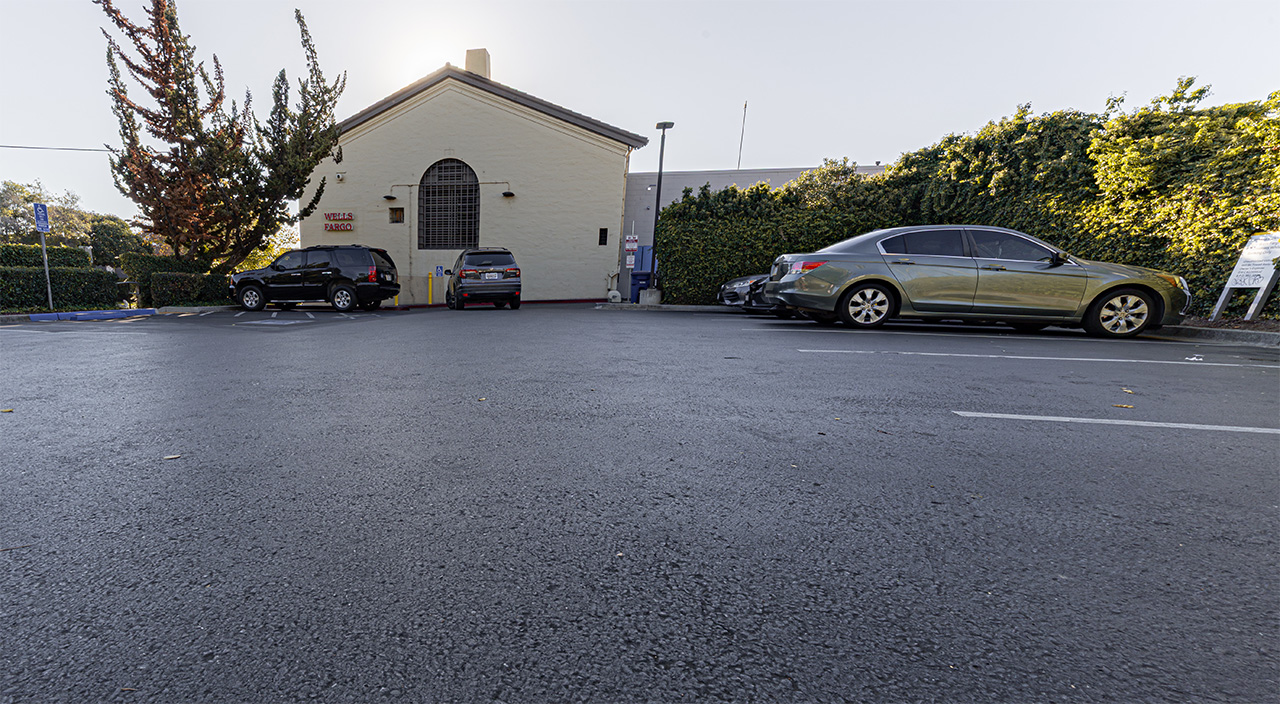
The Wells Fargo parking lot

Why is this happening?
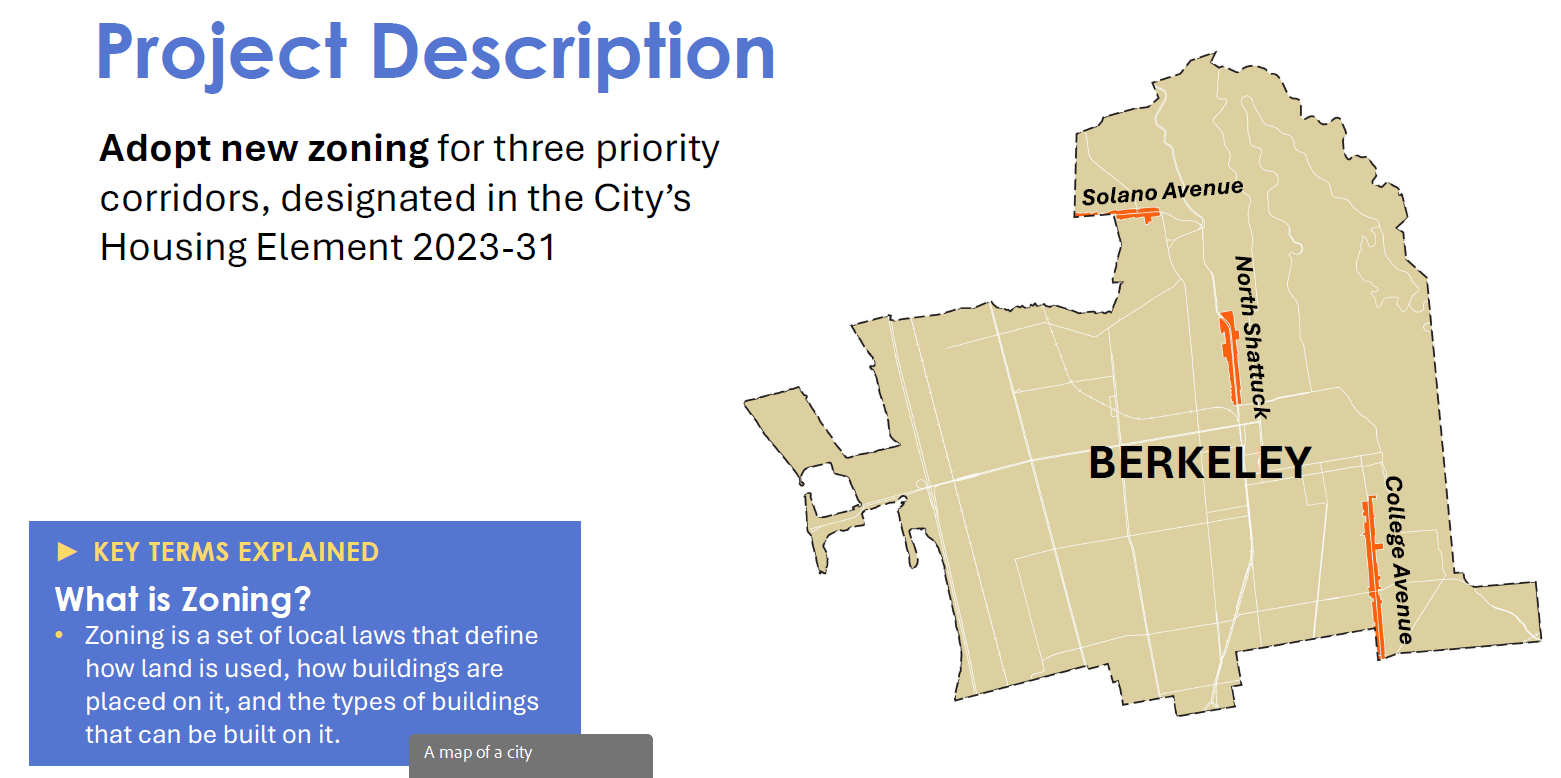
- California law requires Berkeley to zone for at least 8,934 new homes from 2023–2031
- California fair housing laws also require Berkeley to allow for new homes along commercial corridors in high-resource areas, like College Avenue
- If Berkeley does not comply with State law and fulfill its Housing Element policies/programs, we could lose affordable housing funding or even control of our zoning
Listening to all perspectives
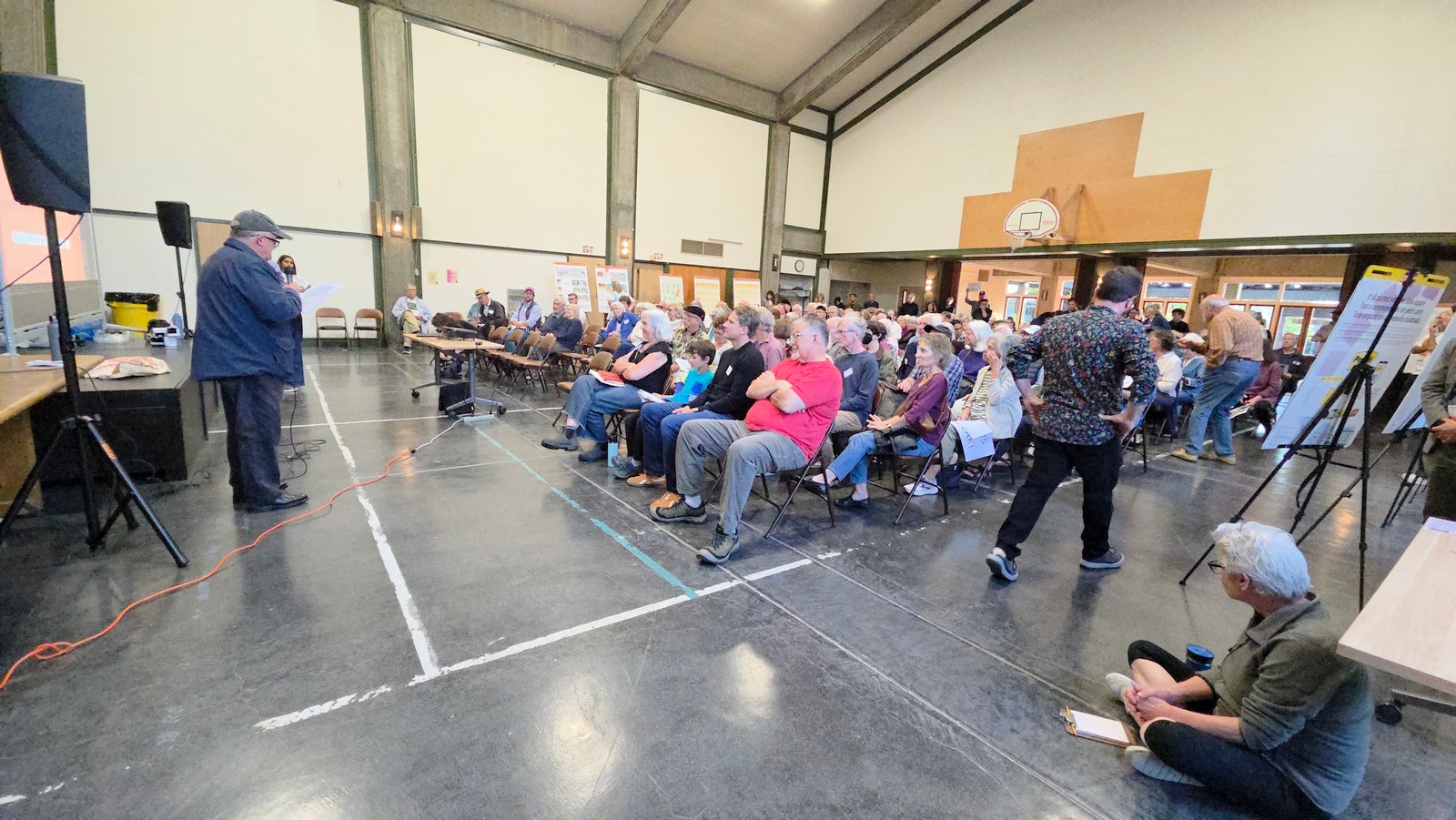

I have been actively engaged from the very start of the CZU project to now, talking frequently with City staff, neighbors, merchants, and commissioners, among others.
- In May 2025 I listened to the online workshop introducing the CZU and gathering initial feedback from neighbors
- In August 2025 I attended the in-person workshop at St. John’s, where staff gave a presentation and stations were set up around the room so attendees could engage with staff, consultants, one another and me
- In November 2025 the City Council held a work-session where members of the public were able to offer comment, and where I first floated my “tailored zoning” approach to focus rezoning on just three sites that contribute less to walkable fabric
- In fall 2025 and spring 2026 I met with representatives of Save Berkeley Shops on three occasions to hear their concerns. Listening to all stakeholders is what led me to introduce and vigorously promote the tailored zoning approach.
- Throughout spring 2026, I was in communication with key members of the Planning Commission to promote the tailored zoning approach, with just three sites.
Where things stand
I have championed this tailored zoning approach for nearly a year, and I’m very pleased that the Planning Commission has voted decisively in favor of it—though there is one site they changed that I intend to push to fix when it comes to Council. Right now we are waiting for final work on the new zoning to complete and for it to come back before Council, possibly in the late fall. I will work hard to land the tailored zoning approach, and I think I’m uniquely positioned to try to get a majority of my Council colleagues on board. If you would like even more information, please visit my housing FAQ.

Myths and Facts
Click a myth to jump to the fact!
- "Elmwood doesn't need to plan for housing because Berkeley has done enough"
- "Councilmember Humbert wants to bulldoze the Elmwood"
- "The City Council planned this secretly and denied the public opportunities to comment"
- "Councilmember Humbert is in the pocket of big developers"
- "Councilmember Humbert is planning 14-story towers"
- "Councilmember Humbert put the Elmwood upzoning into the Housing Element."
- "Berkeley has already met its Program 27 commitments through other rezonings, so the City doesn’t need to rezone College, Solano, or North Shattuck."
- "HCD’s role is only advisory, so the State can’t really do anything if Berkeley walks away."
- "Councilmember Humbert’s PITCH proposal shows the Elmwood doesn’t need to be included."
- "There are already 14,000 homes in Berkeley’s pipeline, so the Corridors rezoning is unnecessary."
- "Councilmember Humbert supports everything the Planning Commission recommended."
Myth: “Elmwood doesn’t need to plan for housing because Berkeley has done enough”
Fact: State law cares not only about how much housing total cities are planning for but where they are planning it. State law requires cities to “affirmatively further fair housing.” That means allowing for at least some new homes in neighborhoods that have recently or historically lagged in terms of providing new homes. If Berkeley does not zone for at least some new housing along College, the City risks losing affordable housing funds or even losing control of its zoning completely. No matter who is elected to City Council, State law still applies. And, no matter what the State says, our kids deserve a fighting chance to live in Elmwood.
Myth: “Councilmember Humbert wants to bulldoze the Elmwood”
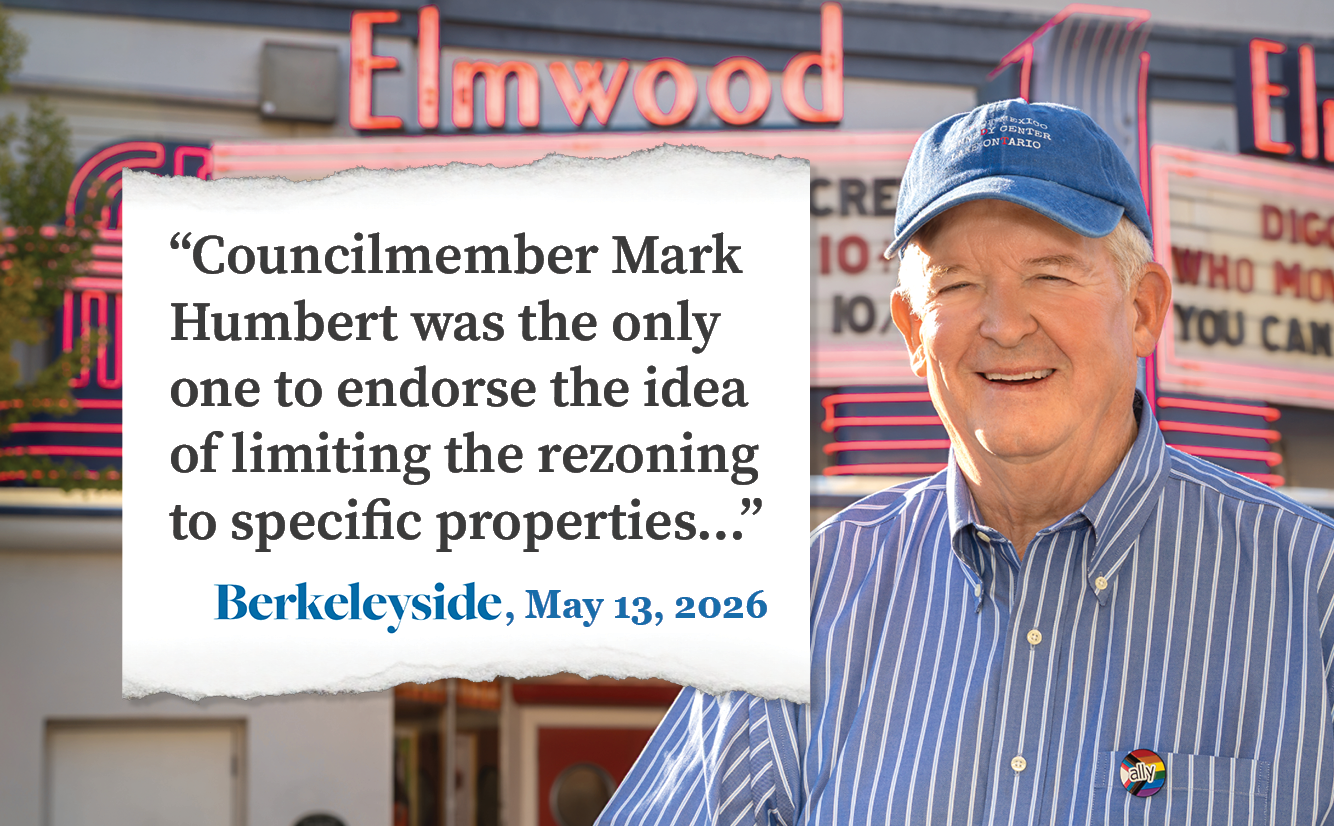
Fact: At the November 2025 Council work-session, Councilmember Humbert was the first and only Councilmember to advocate for a more targeted approach, as reported by Berkeleyside: “Elmwood District Councilmember Mark Humbert was the only one to endorse the idea of limiting the rezoning to specific properties.” Councilmember Humbert has consistently worked to find compromises to address concerns about the loss of local shops while ensuring we are building the homes District 8 needs and the State requires.
Myth: “The City Council planned this secretly and denied the public opportunities to comment”
Fact: Staff held multiple workshops: a virtual kickoff, pop-up events at Solano Stroll and the North Shattuck farmers’ market, and three separate in-person workshops, with one in each affected neighborhood. Staff also offered to meet with specific neighborhood and advocacy organizations. The Council held a work-session on the CZU in November 2025. Councilmember Humbert met with Save Berkeley Shops three different times. And the Planning Commission held four separate meetings on the CZU.
Myth: “Councilmember Humbert is in the pocket of big developers”
Fact: Berkeley City Council candidates are prohibited from taking money from corporations or any sources other than real, individual people. Councilmember Humbert is participating in Berkeley’s public campaign financing, which means that the most he can accept from any one person is $60, which then gets matched through the City program. With close to 200 individual donors, roughly half of Mark’s donors live in District 8 and nearly 90% live in Berkeley.
Myth: “Councilmember Humbert is planning 14-story towers”
Fact: Councilmember Humbert has been consistent in pushing for base heights of 3–4 stories.
Myth: “Councilmember Humbert put the Elmwood upzoning into the Housing Element.”
Fact: The commitment to plan for housing on Berkeley’s high-resource corridors started with City staff and State fair housing law, before Councilmember Humbert took office.
Berkeley’s Housing Element process began in 2021. The City’s August 2022 draft, prepared by staff before Councilmember Humbert was elected, already committed to rezoning “transit and commercial corridors, particularly in the highest resource neighborhoods.” That language responds to State law, which requires every city to “affirmatively further fair housing” by planning for homes in high-resource areas.
The January 2023 amendment that named Solano, North Shattuck, and College was written by Councilmember Rashi Kesarwani. It responded to concerns from West Berkeley that wealthier neighborhoods weren’t taking on their fair share of new homes. Mayor Arreguín and several Councilmembers co-sponsored it, including a newly elected Councilmember Humbert. State Senator Nancy Skinner separately urged the City to look at the same three areas, and Council adopted the Housing Element with the amendment included.
To be clear: Councilmember Humbert supports planning for some new homes in the Elmwood. What he has done since is make sure that happens thoughtfully. When the initial proposal would have rezoned the entire Elmwood commercial district, he was the first and only Councilmember to propose limiting changes to three sites dominated by parking. The Planning Commission has since adopted that tailored approach.
Myth: “Berkeley has already met its Program 27 commitments through other rezonings, so the City doesn’t need to rezone College, Solano, or North Shattuck.”
Fact: Program 27 includes a commitment and deadline to revise zoning on the high-resource corridors by December 2026. Other rezonings elsewhere in the city don’t fulfill it.
Some have argued that the Southside and San Pablo rezonings already satisfy Program 27. But those plans add capacity in other parts of Berkeley, and San Pablo runs through historically redlined West Berkeley. The whole point of the amendment Council adopted in 2023 was to narrow the gap between formerly redlined areas and the higher-resource areas of Solano, North Shattuck, and College. Counting more homes in West Berkeley toward that goal misses the point.
HCD read the amendment as a commitment, too. Its January 30, 2023 letter said the program “now commits to increase allowed densities in all transit and commercial corridors.” The City’s own 2024 contract for this work set a goal of at least 2,000 homes’ worth of new zoned capacity on these corridors, with completion by December 2026.
Berkeley’s situation isn’t identical to every past enforcement case. Still, most of HCD’s recent decertifications (Portola Valley, Rocklin, La Puente, and Brisbane) involved cities that missed a deadline for promised rezoning. Berkeley should not risk joining the ranks of these cities.
Myth: “HCD’s role is only advisory, so the State can’t really do anything if Berkeley walks away.”
Fact: HCD has been strongly empowered by State government in recent years. If they decertify Berkeley’s Housing Element, we could lose virtually all control over zoning until recertified.
The court decision most often cited for HCD having only an “advisory” role is from 1985. Since then, the Legislature has given HCD the power to revoke cities’ housing element compliance and to refer cities to the Attorney General. The Attorney General can then seek court-ordered fines and, in the most serious cases, a court-appointed agent to bring the city into compliance. Once HCD finds a housing element out of compliance, State law presumes the element invalid, and the burden shifts to the City to prove otherwise.
HCD isn’t the only risk, either. Housing groups and developers can sue, and they do. In La Cañada Flintridge, a Superior Court judge rejected the city’s attempt to “self-certify” its housing element, and the builder’s remedy applied, stripping that city of its zoning authority.
Some have suggested Berkeley could simply sue HCD and ask a judge to put the builder’s remedy on hold. There’s no track record of that working, and the developers filing builder’s remedy applications wouldn’t be parties to that lawsuit anyway. Could the City win such a fight? Possibly. But “we might win in court” is a strange thing to stake local zoning control on when a modest, tailored rezoning avoids the fight altogether.
Myth: “Councilmember Humbert’s PITCH proposal shows the Elmwood doesn’t need to be included.”
Fact: PITCH adds to the tailored approach in the Elmwood. It doesn’t replace it.
PITCH (the Project to Increase Telegraph and Claremont Housing) is a referral asking City staff to study new housing capacity on Telegraph and upper Claremont. It isn’t adopted zoning, so it can’t count toward a December 2026 commitment.
Councilmember Humbert has also been clear that the Elmwood can’t simply be peeled off. Every area removed raises the odds that HCD sees the rezoning as out of step with our Housing Element. It would also cost the support of Council colleagues who have come around to the tailored approach precisely because every high-resource corridor is still doing its part. Put plainly: trying to exempt the Elmwood entirely risks losing the tailored approach altogether, along with the protections for the shops we love.
Myth: “There are already 14,000 homes in Berkeley’s pipeline, so the Corridors rezoning is unnecessary.”
Fact: State law requires housing to be distributed throughout Berkeley, including areas like College Ave. Berkeley’s existing approvals don’t yet meet that requirement.
Using a fairly liberal reading of the available project data, we count about 11,458 units, and that may include some double counting. Counting only projects from 2023 onward, when the current Housing Element period started, the pipeline is ~5,618 units. Many projects that are entitled on paper may also never pencil out in the current economy.
But that’s burying the lede. Berkeley has likely already planned for enough total homes. The State also cares about where those homes go. If nearly all new multifamily homes are planned for Downtown, Southside, South Berkeley, and West Berkeley while high-resource areas are left out, the State can still find that we haven’t affirmatively furthered fair housing, no matter what the total planned capacity is.
Myth: “Councilmember Humbert supports everything the Planning Commission recommended.”
Fact: While he supports the tailored approach the Commission adopted, he still plans to push for two changes to the Commission’s recommendations.
Sites: Councilmember Humbert believes the three Elmwood opportunity sites should be:
- the 7-Eleven strip mall
- the parking lot behind Wells Fargo (not the landmarked building itself)
- the post office (if USPS ceases operations there)
Mark disagrees with the Commission’s decision to swap the Five Monkeys site in for the Wells Fargo lot, and he plans to try to reverse it.
Height: The Commission recommended a 5-story base on College. Given how narrow College is, Councilmember Humbert believes a 3-story base is more appropriate. To be clear, he does not support a 7-story base, and happily that doesn’t appear to be where Council is heading.
Any Council action needs five votes, so the final numbers may reflect some compromise. His top priority is keeping the tailored approach and the right sites.
For even more housing myths and facts and other information, please visit my housing FAQ.